



Dhaka 5:24 pm, Wednesday, 28 October 2026

Iran Proposes 7-Day Roadmap to End Conflict with the US

  • Online Desk
  • Update Time : 06:46:37 pm, Friday, 25 September 2026
  • 258 Time View

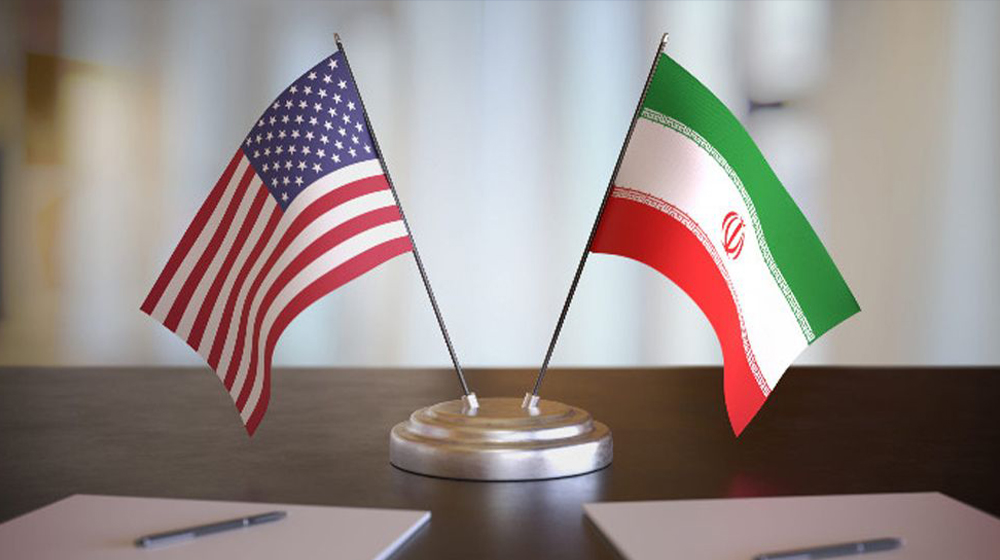
Iran has proposed a seven-day “roadmap” (plan) to end the ongoing conflict with the United States and lift the naval blockade of the strategically vital Strait of Hormuz. Iranian Foreign Minister Abbas Araghchi outlined the plan to reporters on Thursday on the sidelines of the UN General Assembly session in New York.

According to US media reports, the proposal was conveyed to Washington through intermediaries earlier this week.

The conflict, which began with US and Israeli airstrikes, is now entering its seventh month. Amidst the hostilities, restrictions on maritime traffic in the Strait of Hormuz have caused a collapse in global oil and gas supplies, impacting the global economy.

Iran’s new proposal calls for the implementation of terms from a memorandum of understanding agreed upon by Washington and Tehran last June, including an end to hostilities and the reopening of the Strait of Hormuz.

The proposal grants the US a seven-day window to meet specific conditions, paving the way for the resumption of ceasefire talks and the lifting of the blockade on the Strait of Hormuz.

Additionally, *The New York Times* reported that the proposal includes a condition for a complete halt to military conflicts on all fronts—including Gaza and Lebanon—within the next seven days.

Simultaneously, Tehran has demanded the release of at least $12 billion in Iranian assets frozen in the US, the lifting of sanctions on Iranian oil, and the removal of Washington’s naval blockade.

The plan stipulates that the Strait of Hormuz would be reopened on the final day of the seven-day period. This would be immediately followed by the resumption of talks regarding Iran’s nuclear program—an issue US President Donald Trump has cited as the root cause of the conflict.

This new Iranian proposal closely aligns with the memorandum of understanding signed by the two nations last June. However, the timeframe set for completing the tasks in the new proposal is quite challenging to meet.

The previous memorandum, signed on June 17 with mediation from Pakistan and Qatar, had stipulated a 60-day period for negotiations. However, it collapsed within weeks due to reciprocal attacks and ambiguous language in the document. Subsequently, on July 7, US President Donald Trump formally declared the agreement cancelled. Yet, Iranian President Masoud Pezeshkian recently stated that if the US returns to its previous commitments, Tehran would also “respond immediately.”

Iranian Foreign Minister Araghchi told reporters, “We have submitted a plan to the US through intermediaries.”

A White House official told CNN that they are continuing “constructive discussions” through intermediaries. However, a New York Times report noted that Washington would not rush into signing any agreement.

Meanwhile, an Iranian security source told Al Jazeera that if Washington fulfills its conditions and commitments, an opportunity for further diplomatic talks could arise. However, political analysts believe this proposal indicates that diplomatic progress between the two nations remains stalled.

Cyrus Schayegh, a professor of international history and politics at the Geneva Graduate Institute, told Al Jazeera that there have been no significant changes regarding fundamental issues.

Iran seeks to return to the June memorandum while retaining the leverage gained through the conflict, whereas the US refuses to accept this. The professor also considers it unlikely that there will be major progress toward ending the conflict before the US midterm elections in November.

Iranian Foreign Minister Araghchi told reporters that reaching an agreement before the elections would be “ideal.”

However, CNN reported that President Pezeshkian had already clarified that any agreement with the US would not be contingent on the timing of their midterm elections.


Tag :

Iran Proposes 7-Day Roadmap to End Conflict with the US

Update Time : 06:46:37 pm, Friday, 25 September 2026

Iran has proposed a seven-day “roadmap” (plan) to end the ongoing conflict with the United States and lift the naval blockade of the strategically vital Strait of Hormuz. Iranian Foreign Minister Abbas Araghchi outlined the plan to reporters on Thursday on the sidelines of the UN General Assembly session in New York.

According to US media reports, the proposal was conveyed to Washington through intermediaries earlier this week.

The conflict, which began with US and Israeli airstrikes, is now entering its seventh month. Amidst the hostilities, restrictions on maritime traffic in the Strait of Hormuz have caused a collapse in global oil and gas supplies, impacting the global economy.

Iran’s new proposal calls for the implementation of terms from a memorandum of understanding agreed upon by Washington and Tehran last June, including an end to hostilities and the reopening of the Strait of Hormuz.

The proposal grants the US a seven-day window to meet specific conditions, paving the way for the resumption of ceasefire talks and the lifting of the blockade on the Strait of Hormuz.

Additionally, *The New York Times* reported that the proposal includes a condition for a complete halt to military conflicts on all fronts—including Gaza and Lebanon—within the next seven days.

Simultaneously, Tehran has demanded the release of at least $12 billion in Iranian assets frozen in the US, the lifting of sanctions on Iranian oil, and the removal of Washington’s naval blockade.

The plan stipulates that the Strait of Hormuz would be reopened on the final day of the seven-day period. This would be immediately followed by the resumption of talks regarding Iran’s nuclear program—an issue US President Donald Trump has cited as the root cause of the conflict.

This new Iranian proposal closely aligns with the memorandum of understanding signed by the two nations last June. However, the timeframe set for completing the tasks in the new proposal is quite challenging to meet.

The previous memorandum, signed on June 17 with mediation from Pakistan and Qatar, had stipulated a 60-day period for negotiations. However, it collapsed within weeks due to reciprocal attacks and ambiguous language in the document. Subsequently, on July 7, US President Donald Trump formally declared the agreement cancelled. Yet, Iranian President Masoud Pezeshkian recently stated that if the US returns to its previous commitments, Tehran would also “respond immediately.”

Iranian Foreign Minister Araghchi told reporters, “We have submitted a plan to the US through intermediaries.”

A White House official told CNN that they are continuing “constructive discussions” through intermediaries. However, a New York Times report noted that Washington would not rush into signing any agreement.

Meanwhile, an Iranian security source told Al Jazeera that if Washington fulfills its conditions and commitments, an opportunity for further diplomatic talks could arise. However, political analysts believe this proposal indicates that diplomatic progress between the two nations remains stalled.

Cyrus Schayegh, a professor of international history and politics at the Geneva Graduate Institute, told Al Jazeera that there have been no significant changes regarding fundamental issues.

Iran seeks to return to the June memorandum while retaining the leverage gained through the conflict, whereas the US refuses to accept this. The professor also considers it unlikely that there will be major progress toward ending the conflict before the US midterm elections in November.

Iranian Foreign Minister Araghchi told reporters that reaching an agreement before the elections would be “ideal.”

However, CNN reported that President Pezeshkian had already clarified that any agreement with the US would not be contingent on the timing of their midterm elections.