


Dhaka 10:54 pm, Sunday, 13 September 2026

Ship Attack in Strait of Hormuz: 1 Dead, Oil Supply Concerns

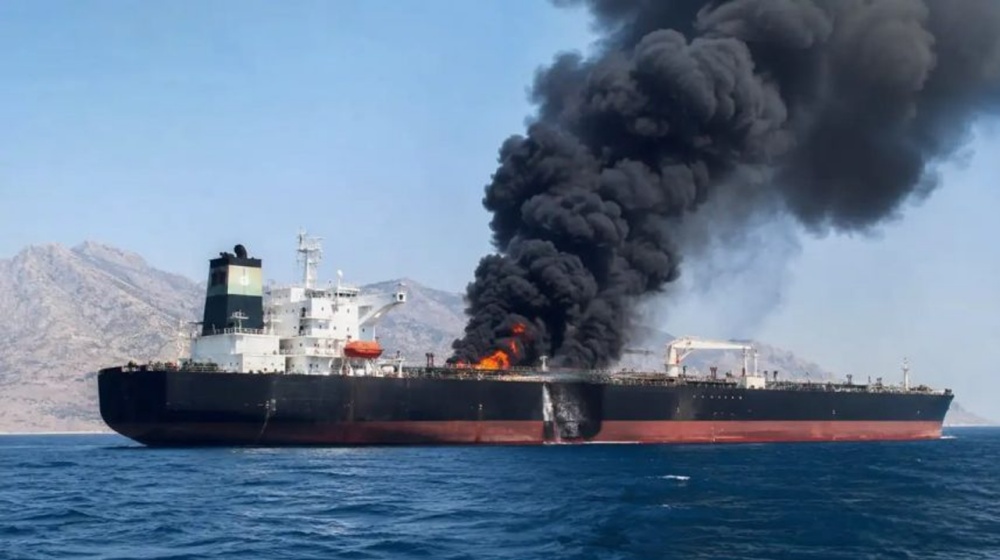
A sailor was killed and three others were injured in a horrific attack on a commercial ship in the Strait of Hormuz. The incident occurred early Sunday (September 13) near the coast of Hengam and Qeshm Islands in Iran’s Strait of Hormuz.

The incident was confirmed by the UKMTO, an organization affiliated with the British Navy, and local Iranian authorities. As a result, international concerns have increased over the supply of fuel through one of the world’s most important waterways.

Amir Teimouri, the governor of Qeshm city, was quoted by Iran’s state television IRIB as saying that the ship was attacked at around 5 am local time. One person was killed and three others were injured. However, he did not clarify who carried out the attack.

Earlier, several explosions were heard around Qeshm Island throughout the night. On the other hand, the UKMTO said that the ship was hit by an unidentified object, missile or drone while passing through the Strait of Hormuz.

Iran and the United States have been at loggerheads for the past six months over one of the world’s most important oil and gas shipping routes. Iran claims that it restricted shipping in the strait in response to the US and Israeli attacks on February 28. Currently, ships have to obtain permission from Iran to pass through this route.

Tehran is considering introducing this system, citing security and sovereignty reasons, as well as imposing a certain service fee. An important meeting between Iran and the Gulf countries is scheduled to be held in Oman on Monday to resolve the impasse.

Meanwhile, Saudi Arabia announced on Saturday that it would temporarily close its ‘East-West’ oil pipeline as a precautionary measure due to the drone attack. Riyadh and Baghdad claim that the attack on the pipeline last Thursday was carried out by an Iranian-backed armed group from Iraq.

US President Donald Trump blamed Iran for the attack in a speech in Ireland on Saturday. Two people were injured and a mosque was damaged in a missile attack by Yemen’s Houthi rebels in the Saudi Arabian region of Jazan on Saturday.

The East-West Pipeline, which runs about 1,200 kilometers across the Arabian Peninsula, is crucial to Saudi Arabia’s oil exports. In the past six months, the pipeline has transported between 4 million and 5 million barrels of oil per day, about 4 to 5 percent of global oil supply, due to the almost complete closure of the Strait of Hormuz.

The closure of the pipeline and the ongoing unrest in the Strait of Hormuz have created extreme uncertainty in energy supplies. As a result, crude oil prices have risen sharply in the world market, exceeding $100 a barrel in the past week.


Tag :

Ship Attack in Strait of Hormuz: 1 Dead, Oil Supply Concerns

Update Time : 05:10:22 pm, Sunday, 13 September 2026

A sailor was killed and three others were injured in a horrific attack on a commercial ship in the Strait of Hormuz. The incident occurred early Sunday (September 13) near the coast of Hengam and Qeshm Islands in Iran’s Strait of Hormuz.

The incident was confirmed by the UKMTO, an organization affiliated with the British Navy, and local Iranian authorities. As a result, international concerns have increased over the supply of fuel through one of the world’s most important waterways.

Amir Teimouri, the governor of Qeshm city, was quoted by Iran’s state television IRIB as saying that the ship was attacked at around 5 am local time. One person was killed and three others were injured. However, he did not clarify who carried out the attack.

Earlier, several explosions were heard around Qeshm Island throughout the night. On the other hand, the UKMTO said that the ship was hit by an unidentified object, missile or drone while passing through the Strait of Hormuz.

Iran and the United States have been at loggerheads for the past six months over one of the world’s most important oil and gas shipping routes. Iran claims that it restricted shipping in the strait in response to the US and Israeli attacks on February 28. Currently, ships have to obtain permission from Iran to pass through this route.

Tehran is considering introducing this system, citing security and sovereignty reasons, as well as imposing a certain service fee. An important meeting between Iran and the Gulf countries is scheduled to be held in Oman on Monday to resolve the impasse.

Meanwhile, Saudi Arabia announced on Saturday that it would temporarily close its ‘East-West’ oil pipeline as a precautionary measure due to the drone attack. Riyadh and Baghdad claim that the attack on the pipeline last Thursday was carried out by an Iranian-backed armed group from Iraq.

US President Donald Trump blamed Iran for the attack in a speech in Ireland on Saturday. Two people were injured and a mosque was damaged in a missile attack by Yemen’s Houthi rebels in the Saudi Arabian region of Jazan on Saturday.

The East-West Pipeline, which runs about 1,200 kilometers across the Arabian Peninsula, is crucial to Saudi Arabia’s oil exports. In the past six months, the pipeline has transported between 4 million and 5 million barrels of oil per day, about 4 to 5 percent of global oil supply, due to the almost complete closure of the Strait of Hormuz.

The closure of the pipeline and the ongoing unrest in the Strait of Hormuz have created extreme uncertainty in energy supplies. As a result, crude oil prices have risen sharply in the world market, exceeding $100 a barrel in the past week.